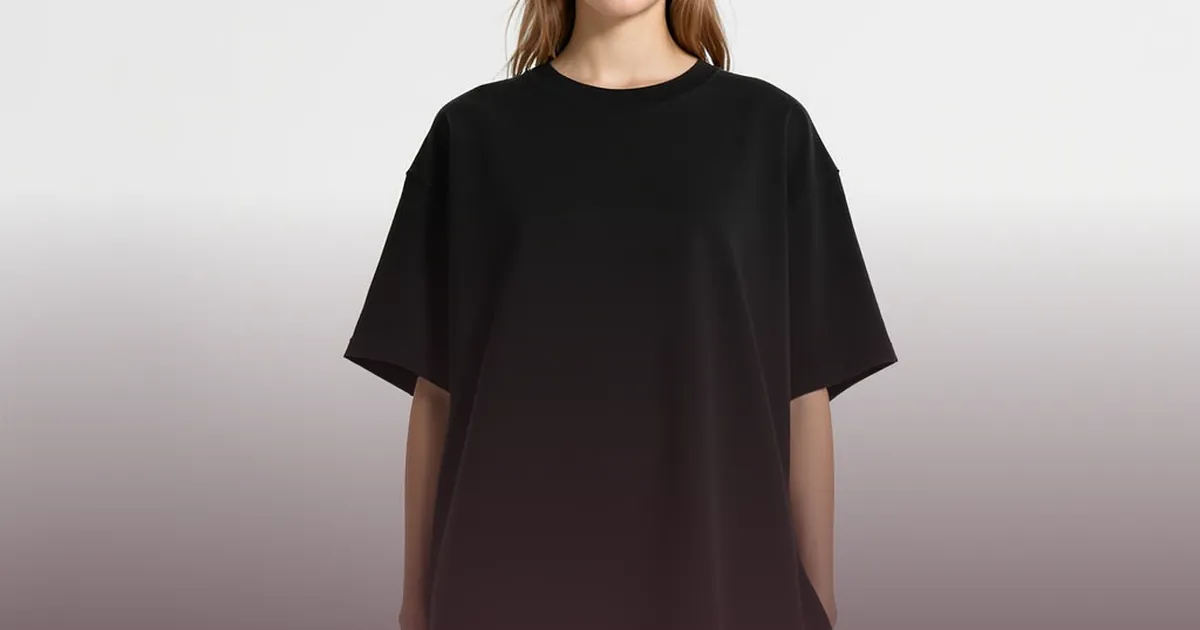
A capsule wardrobe is not five identical dresses — it is five fabrics and silhouettes that cover every occasion a season throws at you, chosen so any two pieces can share accessories. Here is the five-dress midi capsule, built entirely from the shop, with the pairing math to prove it works.
The foundation. An oversized cotton t-shirt dress or the smocked gingham sundress covers errands, beach days, barbecues and every event where "dressed up" would be a mistake. Cotton breathes, washes cold and costs $22–$25 — the lowest cost-per-wear item in any closet. Sneakers and a canvas tote are its whole entourage.
The workhorse with a line. A ribbed knit bodycon midi in black covers the office, dinners and everything between — the viscose-elastane blend holds its shape through a full day and layers under cardigans without bulk. This is the dress that makes the capsule look expensive, because the rib texture reads as tailoring from three feet away.
The utility player. A floral wrap midi handles the occasions the first two cannot: weddings, showers, client dinners, travel days. The adjustable tie means it fits on day one and fits again after the season's first barbecue — no other dress in the capsule has that trick.
The evening specialist. A black satin slip midi with adjustable straps is the invitation dress — cocktail hours, anniversary dinners, the opera if your life includes opera. Layer a fine-knit tee under it and it converts to daytime; the drape does the dressing either way.
The structure piece. The denim button-front midi is the capsule's jacket-substitute: wear it open over the slip dress as a duster, buttoned as a shirt dress, or half-buttoned over the ribbed knit. Real 100% cotton denim gets better with every wash, and it is the piece that makes the other four look styled rather than repeated.
Five dresses, three shoe options (white sneaker, tan flat, black heel), two layers (denim shirt, light cardigan) and one bag: that is thirty distinct outfits before a single accessory is counted. The rule that makes it work is color discipline — keep four dresses neutral (black, white, blue, gingham) and let exactly one carry a print. The full collection is organized so every piece pairs with the others by design.
The full capsule lands between $140 and $180 depending on sizes — less than one designer dress — and the rotation math is the real savings: five dresses worn evenly across a season is roughly one wear per dress per week, which keeps any single piece from wearing out while its sisters rest. Wash day is Sunday, everything cold, everything hung or laid flat per the care guide, and the capsule is back on the hangers by Monday morning.
The capsule's accessory list is deliberately short: one medium crossbody bag in a mid-tone tan, one pair of gold-tone earrings, one thin belt that fits the wrap's loops and the denim's waistband, and a silk or cotton scarf that can tie at the neck of the slip dress or the handle of the bag. Every dress in the five works with every one of those four items, which is the entire test of a capsule — no orphan pieces, no special-case accessories. If an accessory only works with one dress, it is not part of the capsule; retire it to the rest of the wardrobe or skip it entirely.
The capsule's accessory list is deliberately short: one medium crossbody bag in a mid-tone tan, one pair of gold-tone earrings, one thin belt that fits the wrap's loops and the denim's waistband, and a silk or cotton scarf that can tie at the neck of the slip dress or the handle of the bag. Every dress in the five works with every one of those four items, which is the entire test of a capsule — no orphan pieces, no special-case accessories. If an accessory only works with one dress, it is not part of the capsule; retire it to the rest of the wardrobe or skip it entirely.
Cotton for the ground floor, ribbed knit for the line, wrap for the range, satin for the evening, denim for the structure. Five dresses, one season, thirty outfits — and a closet that finally fits on its own hangers.