The midi dress is the hardest-working item in a modern closet — office-appropriate on Monday, wedding-ready on Saturday — and the easiest to buy wrong. Too long and it swallows you; too short and it is not a midi at all. The wrong fabric wrinkles in the car. This guide walks through the three decisions that actually matter — length, silhouette and fabric — in the order you should make them.
A true midi falls between the bottom of the knee and mid-calf — roughly 41 to 48 inches from the shoulder, depending on the style. The honest way to shop is by where the hem will land on you, not on the model. At 5'4", a 45-inch hem from a smocked cotton midi lands just below the knee; at 5'9" the same dress reads mid-calf. Neither is wrong, but only one matches the photo in your head.
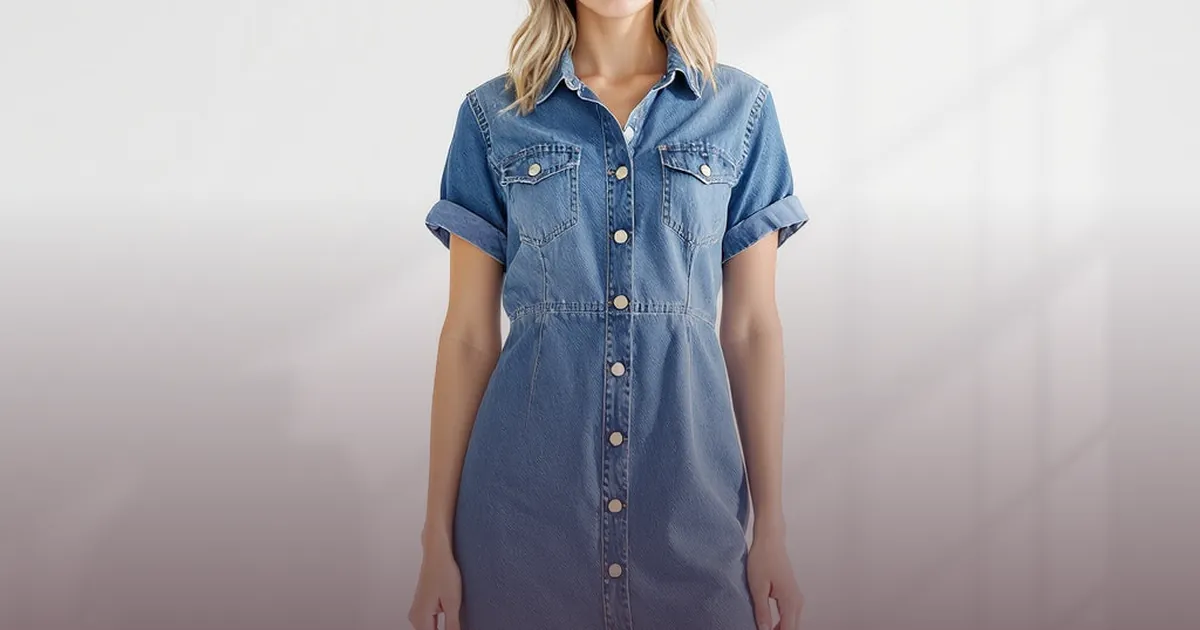
Whatever length you buy, you want the hem to fall at a narrower point of your leg than the widest point of your calf — that is what makes the silhouette read intentional. If you are between heights, size the length by hem position and the fit by the size chart. Our denim button-front midi runs true to the chart in inches, which is why every listing carries one.
Wrap styles are the most forgiving cut in the shop — an adjustable tie waist and a flutter or A-line skirt that skims rather than clings. A floral print wrap midi moves from desk to dinner without a costume change, and the tie lets you tighten after lunch. If you own exactly one dress, it should probably be a wrap.
Bodycon and ribbed knits are the second-silhouette answer: a ribbed knit bodycon midi holds a clean line through a full workday because the viscose-elastane blend recovers instead of bagging at the knees. Pair with sneakers by day, heels by night.
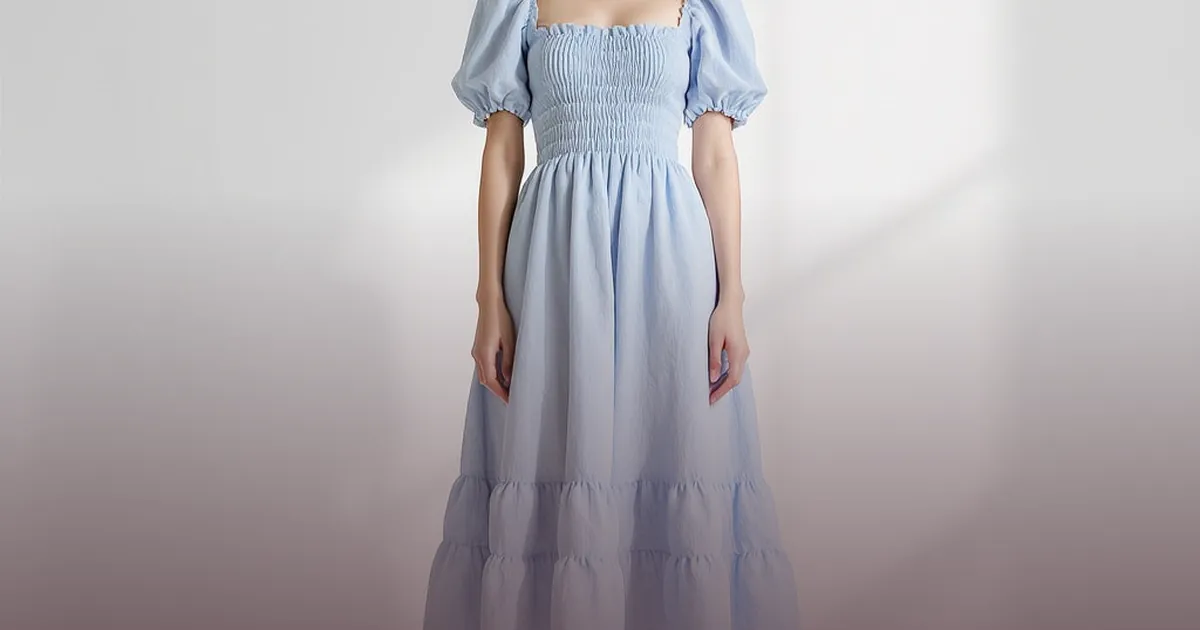
Smocked and A-line cuts are the casual end: a smocked gingham sundress stretches to fit without sizing gymnastics, and a pleated A-line midi gives movement that photographs well at any outdoor event.
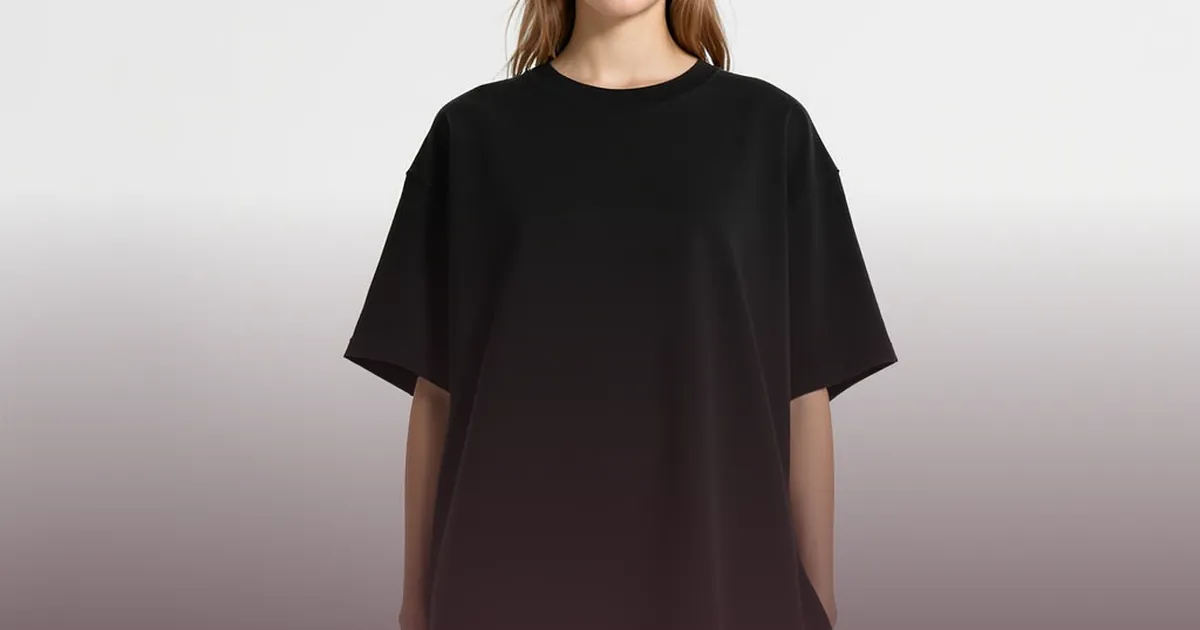
100% cotton breathes, washes cold and softens with every cycle — the oversized cotton t-shirt dress is the zero-thought weekend piece. Cotton's trade is wrinkles: pack it rolled, not folded.
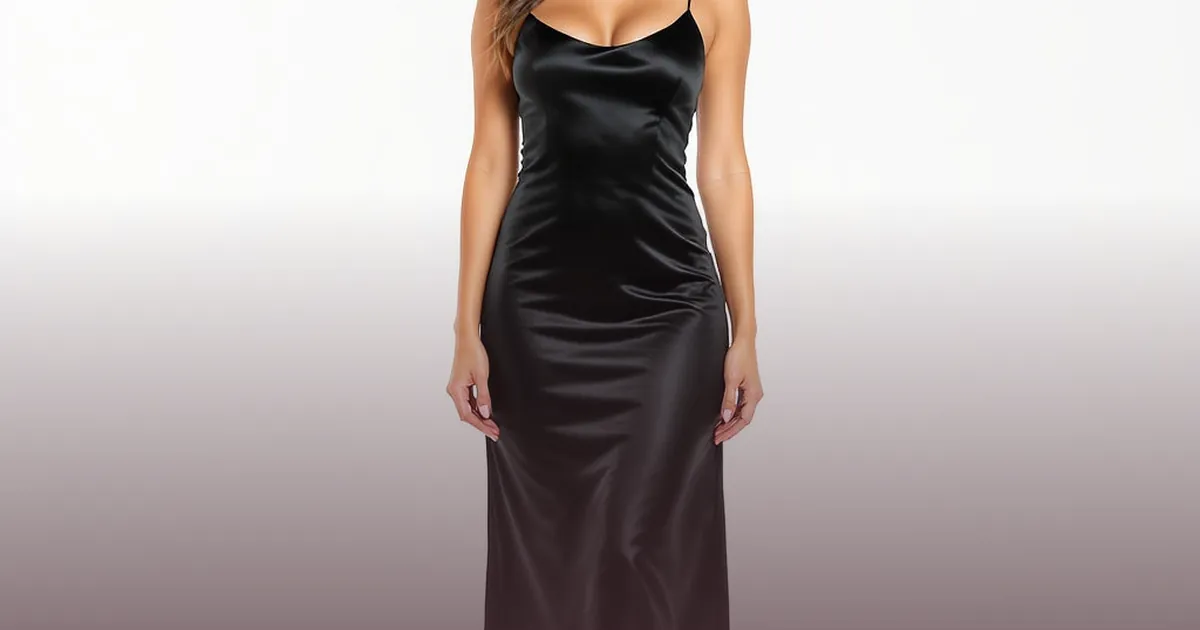
Polyester satin drapes like the photos and resists wrinkles entirely — a satin slip midi comes out of a suitcase ready to wear. Satin wants a garment bag wash and a cool iron, never high heat.
Viscose-elastane ribbed knit is the shape-keeper: it stretches with you and springs back. The honest comparison of all three is in our fabric guide.
Wedding guest or evening event: satin slip, heeled sandals, one statement earring. Office or work travel: pleated A-line or wrap, flats, a blazer if the dress is sleeveless. Beach and weekends: smocked cotton or gingham, worn over a swimsuit or with canvas sneakers. Date night: the stretch knit with cut-out waist — the detail does the work so accessories do not have to.
Every product page carries a size chart in inches for bust, waist and hips — measure a dress that already fits you and compare flat measurements, not your body measurements alone. Between sizes in a bodycon knit? Size up; the stretch is for shape, not for making a small size bigger. In a smocked style, the elastic does the fitting, so stay at your true size. Verified reviews on each page note how a style runs — read the most recent two before ordering.
At the $22–$50 range this shop works in, the price difference tracks fabric and construction, not brand. The under-$35 collection is where the cotton casuals and ribbed knits live; the satin and denim pieces sit at the top of the range because the fabric costs more to mill. Buy the fabric you will actually wash, in the silhouette you will actually reach for — a $30 dress worn weekly beats a $300 dress worn once.
Neutrals earn their keep in a midi: black, white and navy rotate through every shoe and jacket you own, which is why the ribbed knits and satin slips lean dark. Prints do the opposite job — a floral or gingham carries the whole outfit alone, needing nothing more than a plain sandal. The workable ratio for most closets is three neutrals to one print: enough pattern to feel dressed, enough plain to never clash with a coat. If you are choosing between two prints, pick the one on the lighter base cloth — it photographs better in daylight and reads softer against most skin tones than a dark ground.
Choose length by your height against the hem, silhouette by the day you will actually live in it, and fabric by your laundry habits rather than the photo. Work through the full midi collection with those three answers in hand — the right dress is the one you will still be wearing next summer.