"Midi" is a range, not a point — anywhere from just below the knee to mid-calf — and the same 45-inch dress tells three different stories on three different heights. This guide maps our actual dress lengths against real heights, so you can order once and get the hem you pictured.
The most flattering midi hem falls at a narrower point of the leg than the widest point of the calf — typically two to four inches below the knee crease. Below that, the dress reads maxi on shorter frames; above the knee crease, it is a tea length, not a midi. Every measurement below is taken flat from shoulder seam to hem on the actual garment, the same numbers printed on each product page.
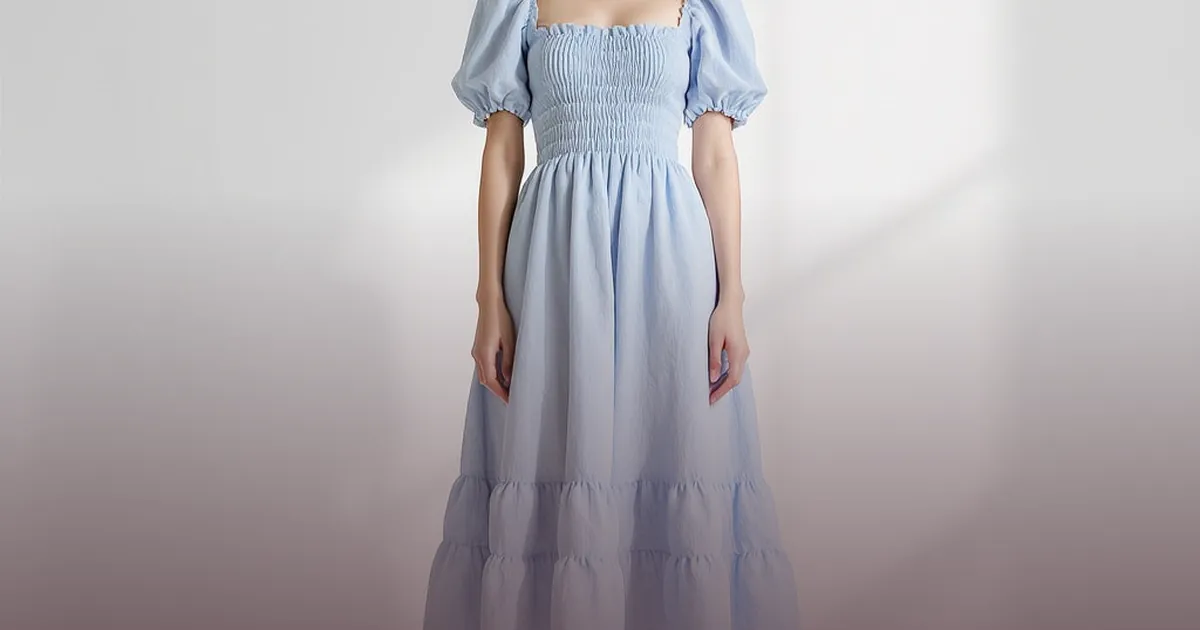
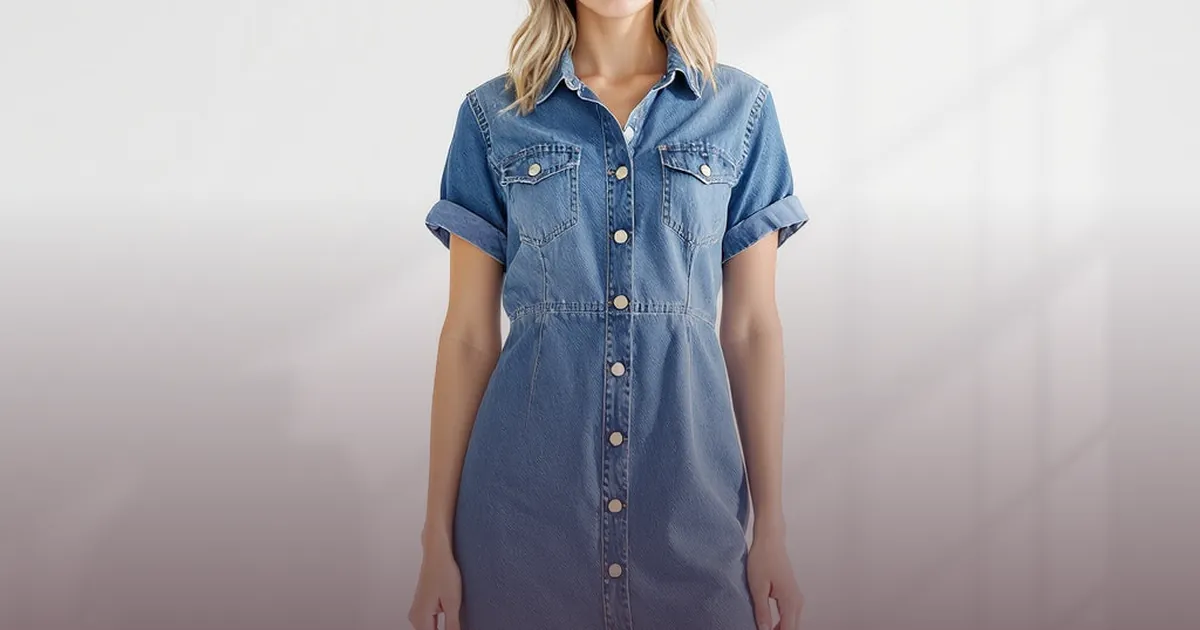
At 5'2"–5'3" (petite): aim for 41–43 inches total length. The smocked gingham sundress at 42 inches hits just below the knee — a true midi on a petite frame. Longer cuts like the denim button-front will read mid-calf to lower; that is a legitimate look, but pair it with a heel or a front tuck of the belt line to keep the leg line long.
At 5'4"–5'6" (average): the sweet spot is 43–46 inches, and most of the shop lands here by design. The smocked ruffle-hem cotton midi at 44 inches falls in the flattering zone; the pleated A-line at 45 inches gives the classic below-knee midi line.
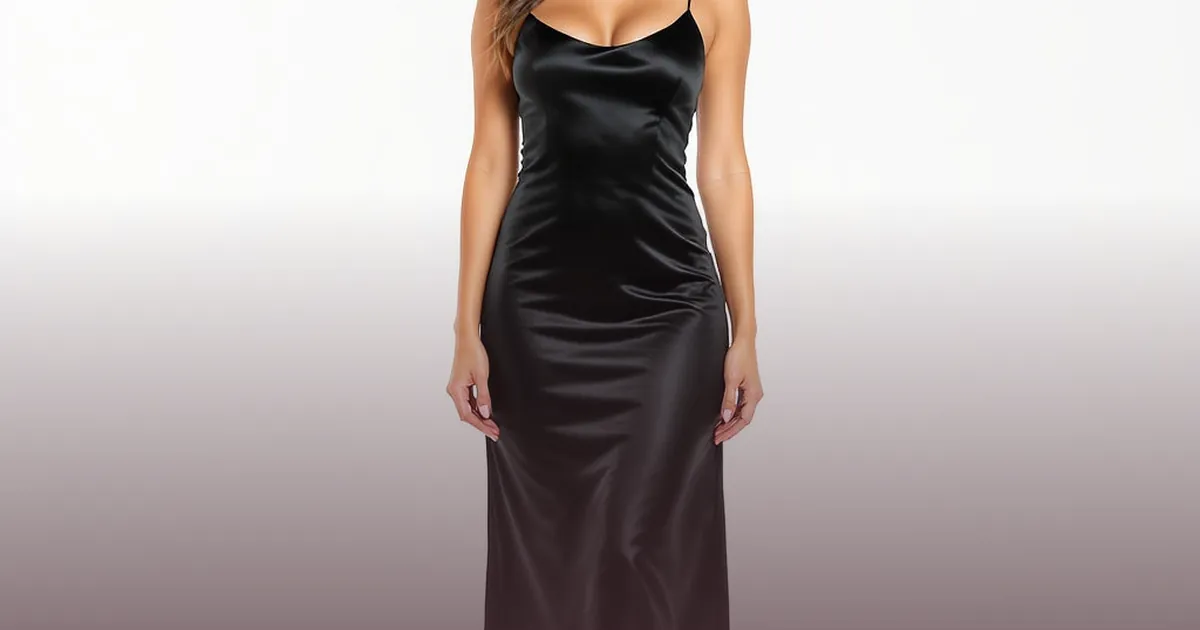
At 5'7"–5'9" (tall): look for 46–48 inches so the hem does not creep above the knee. The satin slip midi and the ribbed knits run longest in the range and hit true mid-calf on taller frames — the adjustable straps on the slips let you drop the hem another inch if you want it.
A ribbed bodycon midi wears shorter than it measures, because stretch fabric rides up when you move — subtract an inch from the flat measurement to predict the worn length. An A-line or pleated skirt wears exactly as it measures, because the skirt hangs from the waistband rather than the hip. Smocked bodices add a wrinkle: the smocked section can sit higher or lower depending on bust, so the shoulder-to-hem number is the reliable one.
If the hem lands lower than you wanted, do not return it — style it. A lower midi with a pointed flat or a low heel keeps the line unbroken; a higher midi loves a chunky sneaker or a boot. The cut-out waist knit draws the eye to the waist, which resets the proportions entirely and makes hem height nearly irrelevant.
Lay your best-fitting current dress flat and measure shoulder to hem. That single number, compared against the flat length on any product page, predicts fit better than any height chart — it accounts for your proportions, not just your stature. Then check the size chart for bust and waist, and read the two most recent verified reviews for how the style runs in practice.
Hem position is measured to the floor, so footwear is half the equation. A flat sandal effectively raises a hem by eye; a two-inch heel lowers it the same amount. The practical translation: if your dress hits at the shorter end of your ideal range, wear flats to keep it reading as a midi; if it hits long, a heel restores the balance. Ankle boots split the difference and work with every length in the range, which is why they are the default shoe of the midi era. What to avoid is the middle void — a mid-calf hem with a mid-calf boot cuts the leg at both points and shortens the line; choose boots that end below the hem or well above the ankle.
Hem position is measured to the floor, so footwear is half the equation. A flat sandal effectively raises a hem by eye; a two-inch heel lowers it the same amount. The practical translation: if your dress hits at the shorter end of your ideal range, wear flats to keep it reading as a midi; if it hits long, a heel restores the balance. Ankle boots split the difference and work with every length in the range, which is why they are the default shoe of the midi era. What to avoid is the middle void — a mid-calf hem with a mid-calf boot cuts the leg at both points and shortens the line; choose boots that end below the hem or well above the ankle.
Measure the dress you already love, match the flat length, and let the two-inch rule arbitrate between two candidates. The full midi collection lists flat lengths on every page — the guesswork is already done for you.