Every dress fabric has a fan base and a complaint file. Cotton is breathable and wants ironing; satin drapes like a dream and fears the dryer; ribbed knit holds its shape and runs warm. This comparison puts the three side by side on the five factors that decide whether you will still love the dress in year two — with real numbers from our own range.
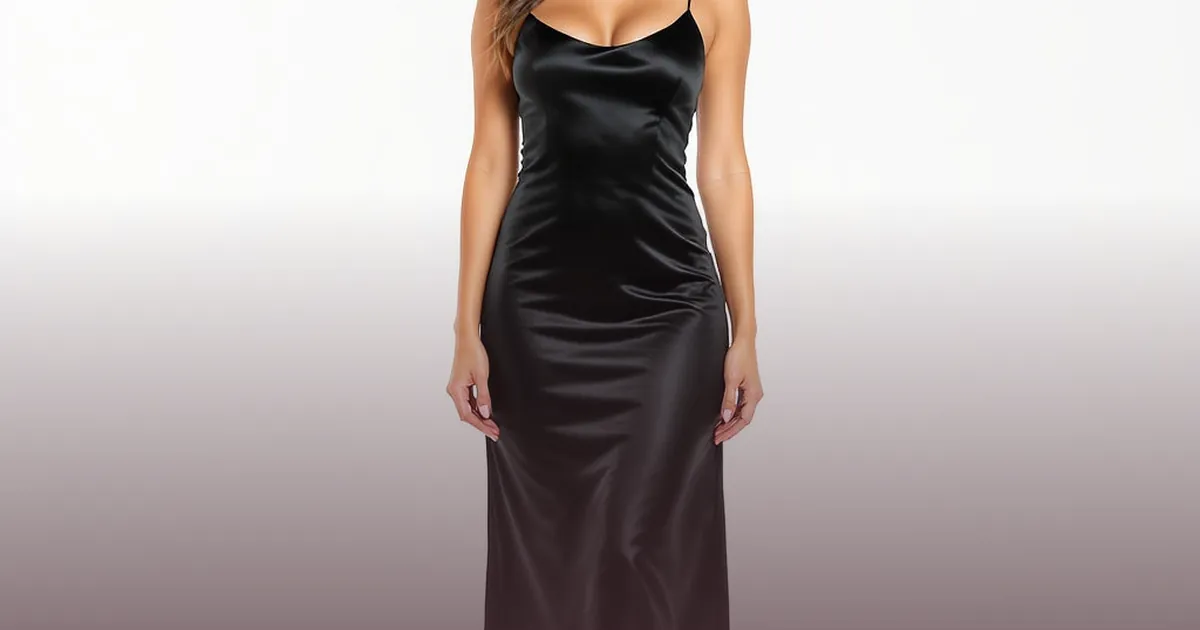
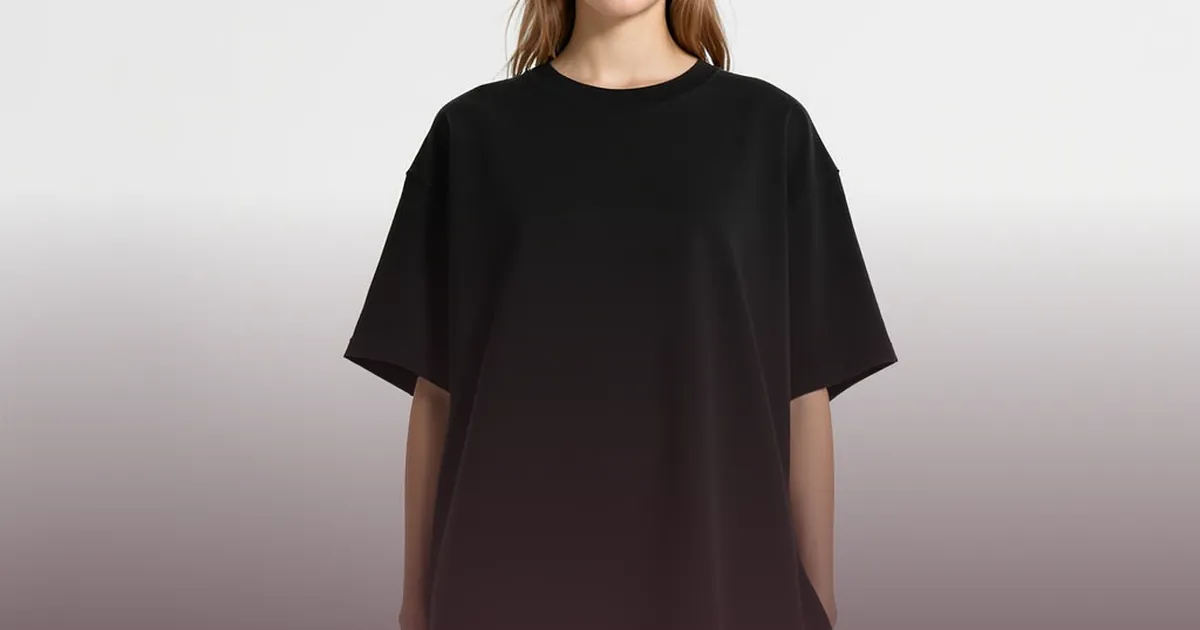
Cotton is the benchmark. A 100% cotton t-shirt dress moves sweat out and air through, which is why it owns the summer months and the beach week. Polyester satin is the least breathable of the three — fine in air conditioning and evening air, warmer under midday sun. A satin slip midi is an evening fabric pretending to be an all-day one; treat it that way. Viscose-elastane ribbed knit sits in between — viscose breathes reasonably well, and the elastane content is small enough not to trap heat.
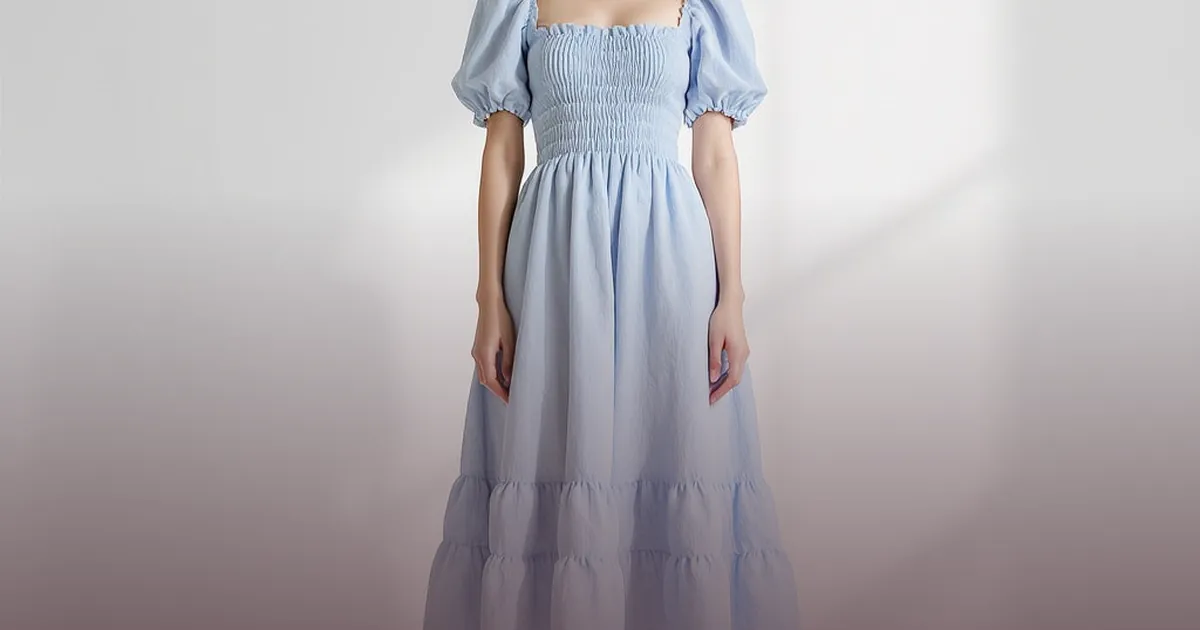
This is where the fabrics truly separate. Cotton: machine wash cold, hang dry, and it comes back softer — the smocked gingham sundress is designed for exactly this cycle. Satin: machine wash cold in a garment bag, hang dry, cool iron only — high heat permanently dulls the sheen and can warp the drape. Ribbed knit: the most forgiving — cold wash, flat dry to prevent shoulder stretch, and it springs back to shape. None of our dresses are dry-clean-only, and none should meet a hot dryer.
Satin wins drape outright — it falls in liquid folds that photograph like triple the price, which is why the satin & evening collection is the wedding-guest pick. Cotton has body and structure: it holds an A-line skirt's shape and reads casual in the best sense. Ribbed knit is the bodycon specialist — it is the only fabric of the three that skims every line without clinging, because the rib construction gives stretch in both directions.
Polyester satin and polyester blends are the travel champions: a polyester wrap midi comes out of a carry-on ready to wear. Ribbed knit packs well too, with minor wrinkles that relax in an hour on a hanger. Cotton is the honest loser here — roll it rather than fold it, hang it in the bathroom during a hot shower, and accept that it will never be crisp. That lived-in softness is the same property that makes it comfortable, so the trade is fair.
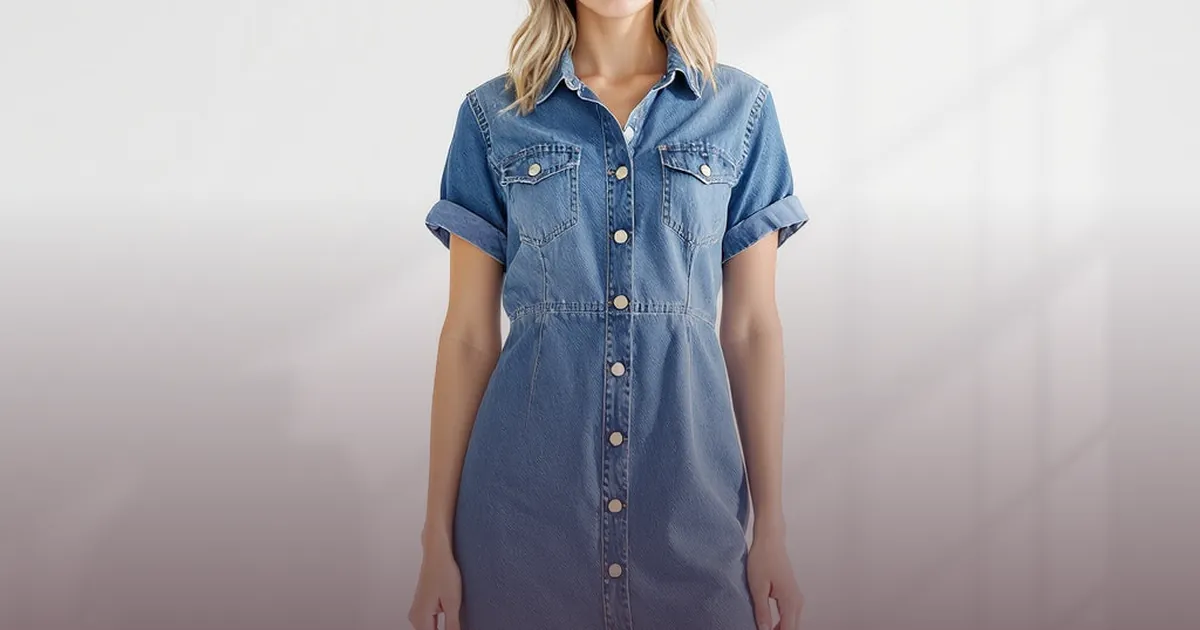
Cotton casuals start at $22 — the under-$35 collection is mostly cotton and knit for a reason: the raw fabric is affordable and the styles are simple. Satin pieces run $42–$45 because milled satin costs more and the adjustable-strap construction adds hardware. The denim button-front midi tops the range at $50 — real 100% cotton denim is the most expensive fabric per yard in the shop, and the button placket is genuine construction, not a print of one.
Buy by your actual week, not your imagined one. If you wash everything on Sunday and hate fuss: cotton and ribbed knit. If your calendar has more evenings than errands: satin. If you travel: polyester blends and satin. Most closets want one of each — a cotton casual for the week, a ribbed knit for the office, a satin slip for the invitation that arrives on Thursday for Saturday.
The same dye reads differently on each fabric, and it is worth knowing before you order. Black is deepest on satin — the sheen absorbs light and makes the color look wet-ink rich — while on cotton it softens to charcoal after a few washes. On ribbed knit, black reads slightly lighter still, because the rib texture catches shadow lines. Whites behave in reverse: cotton white is the crispest, satin white the most bridal, knit white the most casual. Blues and florals land in the middle on all three. If you are matching a dress to shoes or a bag you already own, judge the color in daylight against the fabric type you are buying — not against a different fabric in your closet.
Cotton for breathability and easy care, satin for drape and occasion, ribbed knit for shape that survives a full day. Read the fabric label on every product page — we print it plainly because it is the single best predictor of whether you will still reach for the dress a year from now.